


Why Are Annual Health Screenings Important?
Annual health screenings are crucial for your well-being. They act as a preventive measure, helping you detect potential health issues before they escalate into serious problems. Knowing why annual health screenings are important can motivate you to prioritize these check-ups and maintain a healthier lifestyle.
Key Reasons Why Annual Health Screenings Matter:
- Early Detection: Identifying diseases like cancer, heart disease, or diabetes at an early stage when they are more treatable.
- Preventive Healthcare: Identifying risk factors and making lifestyle changes to prevent negative health outcomes and diseases.
- Peace of Mind: Getting reassurance by taking proactive steps towards maintaining your health.
- Cost Savings: Reducing the likelihood of expensive treatments by addressing issues early.
Annual screenings are essential in identifying symptoms or warning signs before they become severe. These routine check-ups are a necessary step towards managing chronic conditions effectively and affordably.

Why Are Annual Health Screenings Important?
Detects Medical Conditions Early
Annual health screenings are crucial because they help detect medical conditions early, when they are most treatable. For instance, early diagnosis of diseases such as heart disease, diabetes, cancer, and osteoporosis can lead to better outcomes and longer lifespans. According to the Centers for Disease Control and Prevention, over 100,000 lives could be saved each year if people took advantage of preventive screenings.
Consider heart disease: Regular screenings can identify risk factors such as high cholesterol and high blood pressure. This allows for early intervention, which can prevent serious complications like heart attacks or strokes. Similarly, early detection of diabetes through blood sugar tests can help manage the condition before it leads to severe complications like kidney disease or nerve damage.
Cancer screenings, such as mammograms and colonoscopies, are another critical component. Detecting cancer early can significantly increase survival rates. For example, 90% of people diagnosed with colorectal cancer could live at least five more years if the cancer is caught before it spreads.
Preventive Health Care
Preventive health care goes beyond just detecting diseases; it’s also about routine checkups and making lifestyle changes to prevent illnesses before they start. These screenings offer a chance for doctors to recommend lifestyle and diet changes that can significantly improve your health.
Routine checkups often include a physical exam, blood pressure measurement, and blood tests to monitor cholesterol levels. These basic tests can reveal a lot about your overall health and identify areas that need attention. For instance, a simple cholesterol check can lead to dietary recommendations to improve your heart health.
Cost Savings
A key reason that underscores the significance of annual health screenings is the potential for cost savings. Early detection and intervention can avoid costly medical treatments and hospital stays. For example, managing conditions like high blood pressure or diabetes early can prevent the need for extensive treatments or surgeries down the line. Moreover, the less apparent cost savings stem from avoiding loss of income due to extended illness or major surgeries that require significant recovery time.
Furthermore, preventive measures, including lifestyle adjustments recommended during screenings, can reduce the overall healthcare expenses by decreasing the likelihood of developing more severe health issues that require expensive treatments.
Peace of Mind
These screenings also provide peace of mind. Knowing you are taking proactive steps to monitor and maintain your health can significantly reduce stress and anxiety. It’s a way of ensuring that you’re not caught off guard by a serious health issue.
Doctors may also offer personalized advice based on your family medical history. If certain conditions like heart disease or diabetes run in your family, your doctor can recommend more frequent screenings or specific preventive measures.
Improves Health and Quality of Life
Annual health screenings can detect medical conditions early, allowing for timely intervention. This means conditions like heart disease, diabetes, and cancer can be managed more effectively when caught early. For example, early detection of diabetes through an HbA1C test can help you start treatment before complications arise.
By managing chronic diseases early, you can maintain a higher quality of life. Regular screenings also help in adjusting lifestyle recommendations, such as changes in diet and exercise, that contribute to overall well-being.
Reduces Stress
Knowing you are taking proactive steps to monitor your health can provide significant peace of mind. Preventive health care not only helps in catching potential issues before they become serious but also reduces the anxiety associated with unknown health problems.
Being aware of your health status allows you to focus on other aspects of your life without the constant worry of undiagnosed conditions. This proactive approach can lead to a more relaxed and stress-free life.
Frees Up Time
By participating in preventive screenings, you can avoid future hospital visits and maximize your free time. Regular checkups and screenings can identify issues before they become severe, reducing the need for frequent doctor visits and hospital stays.
This means more time for you to spend with family, pursue hobbies, and enjoy life. Proactive health steps can lead to a more efficient use of your time, allowing you to focus on what truly matters.
Creates a Culture of Health
As more people make preventive health screenings a priority, it creates a culture of health. This societal acceptance leads to a healthier population overall. When preventive health measures become the norm, fewer people will have to deal with chronic conditions.
A culture that values health screenings promotes regular checkups and early intervention, contributing to a longer, healthier life for everyone. This shift can lead to a more productive society where individuals are better equipped to contribute positively to their communities.
In summary, annual health screenings are a vital part of preventive healthcare. They not only help in the early detection of serious conditions but also offer a pathway to a healthier lifestyle through routine checkups and personalized health advice. This proactive approach can lead to better health outcomes, longer lifespans, and peace of mind.
Recommended Annual Health Screenings
Physical Exam
A physical exam is the cornerstone of annual health screenings. It involves a comprehensive check-up where your primary care provider measures your height, weight, and Body Mass Index (BMI). These metrics help track any significant changes in your health over time.
During this exam, you can also get your flu shot, which is recommended every year for everyone aged 6 months and older.


Blood Pressure and Cholesterol
Blood pressure and cholesterol screenings are essential for monitoring cardiovascular health.
- Blood Pressure: A normal blood pressure reading is below 120/80 mmHg. If you have a history of high blood pressure or diabetes, more frequent checks are advised.
- Cholesterol: A lipid panel measures your cholesterol levels and is recommended every five years. If you have diabetes or cardiovascular issues, you should be screened yearly.
Cancer Screenings
Detecting cancer early can save lives. Here are some recommended screenings:
- Mammograms: Women aged 40 and older should have a mammogram every one to two years. If you have a family history of breast cancer, consult your doctor for personalized advice.
- Colonoscopy: Starting at age 50, a colonoscopy is recommended once every 10 years. In between, a fecal occult blood test every year and a flexible sigmoidoscopy every five years are advisable.
- Pap Tests and Pelvic Exams: Women should have pap tests and pelvic exams every three years, though the frequency may vary based on age and health history.
- Prostate Exams: Men should discuss with their doctors when to start prostate exams, which may include a digital rectal exam and/or a prostate-specific antigen (PSA) test.
Bone Density Testing
Bone density testing is crucial for those at risk of osteoporosis, especially women aged 65 and older. A DXA machine is used for this painless, noninvasive test, which typically takes less than 15 minutes.
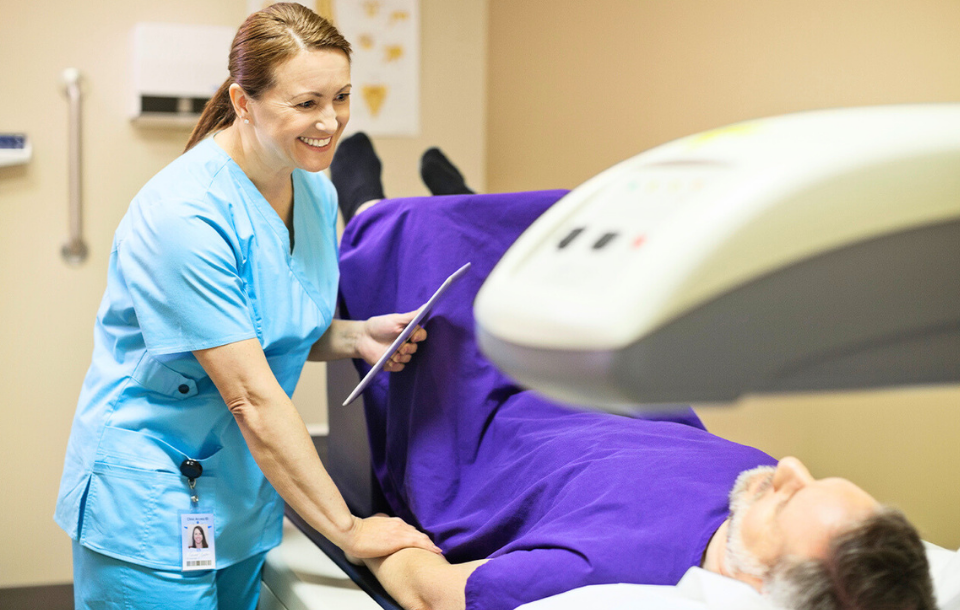
Regular screenings for these conditions can lead to early diagnosis and better management, significantly improving your quality of life.
How to Get Started with Annual Health Screenings
Talk to Your Doctor
The first step in starting your annual health screenings is to talk to your doctor. Your doctor can recommend which screenings are right for you based on your age, sex, and medical history. For example, if you have a family history of heart disease, your doctor might recommend more frequent cholesterol tests.
Ask questions about the frequency of each screening. Some tests, like blood pressure checks, might be needed every year, while others, like cholesterol tests, might be every five years. This personalized advice ensures you get the right tests at the right times.
Gather Family Medical History
Knowing your family’s medical history can help your doctor make more accurate recommendations. Some diseases, like diabetes or certain cancers, can run in families. Use a family health history tool to record any diseases your relatives have had. Share this information with your doctor to get a clearer picture of your health risks.
Disease prevalence in your family can influence which screenings you need. For example, if osteoporosis is common in your family, you might need bone density tests earlier than usual.
Make a List of Questions
Before your appointment, make a list of questions to ask your doctor. This helps you remember everything you want to discuss and ensures you make the most out of your visit.
Here are some questions to consider:
- What are the risks and benefits of each screening?
- How often should I get each test?
- What do the results mean?
Understanding the risks and benefits of screenings is crucial. Some tests can cause stress or have side effects, so it’s important to weigh these against the benefits of early detection.
Understanding results is also key. If you don’t understand your test results, ask your doctor to explain them. This clarity helps you make informed decisions about your health.
By following these steps, you can start your journey towards better health with confidence. Next, we’ll dive into frequently asked questions about annual health screenings.
Frequently Asked Questions about Annual Health Screenings
Why are annual health screenings important?
Annual screenings are vital because they detect medical conditions early. This early detection means that diseases such as heart disease, diabetes, and cancer can be treated more successfully. According to the Missouri Department of Health, early diagnosis often leads to better management of chronic diseases, improving health outcomes and potentially extending your lifespan.
Regular screenings also offer peace of mind. Knowing you are taking proactive steps to protect your health reduces stress and allows you to focus on your overall well-being.
What is the purpose of wellness screening?
Wellness screenings aim to catch potential health issues before they become serious problems. These screenings involve a variety of tests, such as blood pressure checks, cholesterol levels, and cancer screenings, that help identify any early signs of illness.
Preventive care is another key purpose. Routine checkups and screenings help you and your doctor make informed decisions about lifestyle changes, diet, and other preventive measures. This proactive approach can significantly improve your quality of life.
Why is public health screening important?
Public health screenings are essential for improving the quality of life for the entire population. By detecting diseases early and encouraging preventive health steps, these screenings can reduce the prevalence of chronic conditions like heart disease and diabetes.
They also help reduce stress on the healthcare system. Early detection and treatment mean fewer hospital visits and less strain on medical resources. This proactive approach to health creates a healthier population overall.
By understanding the importance of annual health screenings, you are taking a significant step towards better health. Next, let’s explore the specific screenings you should consider.
Conclusion
Regular health screenings are crucial, as they help detect diseases early, improve health outcomes, and reduce healthcare costs. By identifying potential issues before they become serious, you can take preventive measures to stay healthy and enjoy a better quality of life.
At ARCpoint Labs, we are committed to providing personalized care. Our team ensures accurate and comprehensive annual health screenings. We offer a wide range of tests to give you a complete picture of your health.
Personalized care is at the heart of what we do. We understand that each person is unique, and so are their health needs. Our experts work with you to create a tailored screening plan that fits your medical history and individual risk factors.
Accurate results are essential for making informed decisions about your health. At ARCpoint Labs, we use state-of-the-art technology to ensure that your test results are precise and reliable. This accuracy enables you and your healthcare provider to make the best decisions for your well-being.
In summary, regular health screenings are a vital part for maintaining good health. They provide peace of mind by catching potential health issues early and allowing for timely intervention. Trust ARCpoint Labs to be your partner in this journey towards optimal health. Together, let’s take proactive steps for a healthier future.
For more information on how to get started with your annual health screenings, visit our annual health screenings page.