


Blood tests stand as a quiet commitment to our well-being, alerting us of potential health issues before they become critical. With a simple vial of blood, doctors can detect the earliest warning signs of conditions such as diabetes and lung cancer or provide ongoing surveillance for existing health concerns. Each drop of blood can hold a great deal of valuable insight about your health, and understanding these tests and their significance can become a powerful asset in your healthcare journey. In this article, we’ll explore the crucial aspects of blood tests and how they’re shaping the future of preventive medicine. Learn how to leverage these tools to monitor and improve your health effectively.
The Basics of Blood Testing Every Patient Should Know
When it comes to monitoring and maintaining one’s health, blood tests serve as a critical tool, providing valuable information that can aid in early detection and management of various conditions. With a wide range of tests available, patients can gain insight into specific health metrics, from cancer biomarker levels indicating potential malignancies to lipid profiles assessing the risk of cardiovascular disease. Alongside these targeted analyses, the expanding field of genetic testing allows individuals to uncover predispositions to certain diseases, enabling proactive health and lifestyle adjustments. Essential preparation steps before undergoing a blood draw, such as fasting or medication adjustment, are thus pivotal to ensuring accurate results. Patients should prepare as guided by their healthcare providers to assure their test outcomes reflect a true color of their health status.
Understanding the Different Types of Blood Tests
Each blood test is like a unique fingerprint, providing vital information that creates a comprehensive picture of an individual’s health. For example, doctors may order a complete blood count to evaluate overall wellness. They may also encourage specialized tests that scrutinize blood for markers identified by the American Association for Cancer Research, particularly when cancer is suspected.
When the concern is skin pathology, dermatologists might request specific blood panels to detect autoimmune disorders or infections affecting the skin’s health. These pinpointed assessments grant physicians the details needed to guide treatment decisions and manage patient care effectively.
Preparing for a Blood Test: What You Need to Do
Before having blood drawn, patients may be instructed to avoid eating or drinking for a certain period to prevent food components from influencing tests related to glucose levels or liver function. For some, this may affect how the body processes substances, impacting the clarity of tests that examine kidney health or urine analysis.
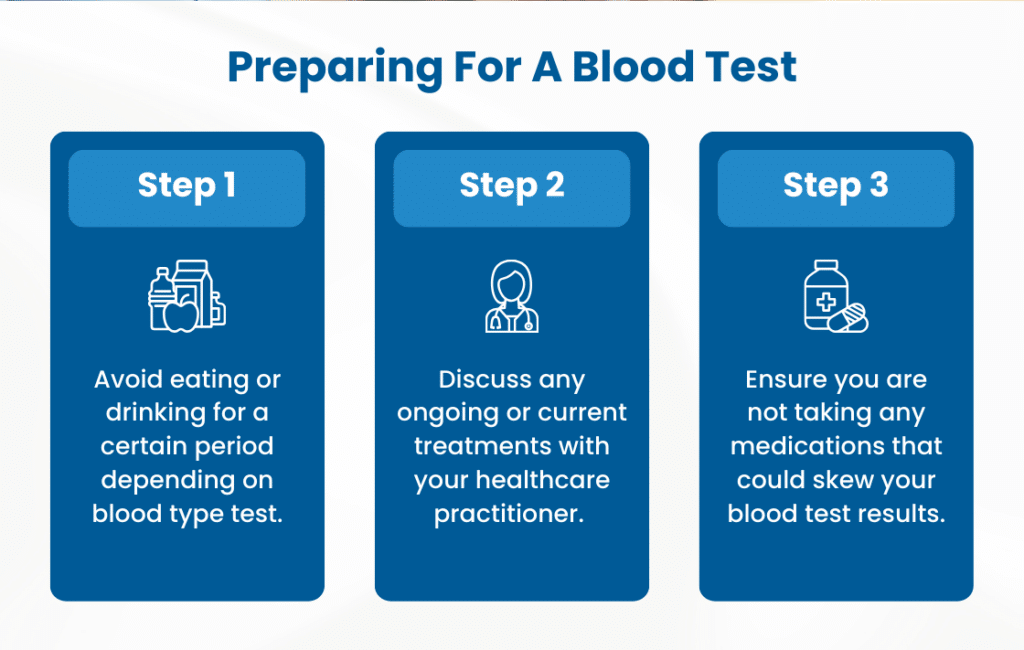
Other preparations could entail discussing ongoing treatments with a healthcare practitioner, particularly if they could influence cell counts or are relevant to oncology patients. Ensuring medications or supplements do not skew the results is an essential step for obtaining a clear snapshot of one’s health through blood work.
How Blood Tests Can Uncover Hidden Health Issues
Digging beneath the surface of general health assessments, blood tests excel in pinpointing nutritional deficiencies that might otherwise go unnoticed, such as insufficient levels of vitamins or minerals essential for normal body function. Regular, comprehensive screening not only flags these shortages but also stands as a vigilant guard against the onset of chronic diseases. For example, organizations like the American Cancer Society stress the importance of cancer diagnostic blood tests in early detection strategies, recognizing their role in drastically improving patient management and outcomes. Meanwhile, the precision of forensic science has permeated into diagnostic practices, refining the accuracy of blood tests and influencing policy on patient care protocols. Through these methods, hidden health conditions no longer remain veiled, offering a clarity that can transform early treatment and monitoring.
Identifying Nutritional Deficiencies Through Blood Work

Pinpointing nutritional inadequacies extends beyond simply observing overt signs and symptoms; advanced blood tests can uncover deficiencies at the cellular level, affecting everything from gene expression to eye health. For instance, inadequate antioxidant levels can impede redox reactions critical for maintaining cellular integrity and ocular function.
Research into biomarkers and gene-related deficiencies has led to blood tests that can detect subclinical deficiencies, which, if uncorrected, may lead to health issues that manifest physically over time. That is why a detailed blood analysis is vital for uncovering hidden nutritional gaps that might not be immediately apparent.
Early Detection of Chronic Diseases With Regular Testing
Consistent screening through blood testing can alert both patient and health professional to early signs of chronic diseases, often before symptoms are apparent. An iron deficiency, for instance, might indicate potential anemia, setting the stage for further investigation and management before more serious complications arise.
A blood test, in some cases, may be a preemptive step before more invasive procedures like a biopsy, providing a less intrusive method to detecting abnormalities that require attention. It thus serves as a vital component in a broader health surveillance system, ensuring that everything from kidney function to hydration levels, as indicated by water balance, remains within a healthy range.
Navigating Through Your Blood Test Results Explained
Decoding your blood test results can be as complex as understanding a new language, with a mix of acronyms, numbers, and terms particular to the intricacies of biology. With the right guidance, however, these reports shed light on the state of your health, enabling you to recognize irregularities that may signal serious health conditions – where medical expertise becomes vital. A doctor’s interpretation is key, particularly if specialized screenings emerge from standard lab conclusions – knowing when to seek this advice is therefore just as important as the medical test itself.
Deciphering Common Terms and Values in Reports
But when faced with a laboratory report, the abundance of medical terms can be confusing. For instance, terms like ‘HDL’ and ‘LDL’ in a lipid profile refer to good and bad cholesterol levels, respectively. Whereas ‘HCG’, commonly noted in assessments, is vital for pregnancy verification, while ‘genomic sequencing’ may appear when a detailed analysis of a person’s genome is required. Understanding these terms can help make sense of the results and their implications for your health.
A typical assay result may also list values for components found in blood plasma, giving crucial insight into a patient’s electrolyte balance and kidney function. Understanding the interplay between these numbers and your health status allows clinicians to customize interventions with greater accuracy.
When to Consult a Doctor About Your Test Results
So, when should you seek a doctor? Consultation with a medical professional becomes imperative when blood test results indicate abnormal biomarker levels, such as those utilized by the National Cancer Institute for early detection of diseases like prostate cancer. Aberrant readings may suggest the need for additional tests or lifestyle alterations under medical supervision.
Whenever there’s a significant variance in blood cell counts or a report exhibits unusual levels of acid—situations that can point to underlying health concerns—it’s vital for patients to discuss these findings with their doctor. Fast communication enables timely interventions that can be crucial for patient care and management.
The Role of Blood Testing in Preventive Healthcare
Blood testing stands as a vigilant sentry in the realm of preventive healthcare, akin to a camera capturing images in wavelengths beyond our vision. Just as ultraviolet light reveals details hidden from the naked eye, specialized labs indicating cancer can detect cellular anomalies before they grow into palpable threats. Often employed in clinical tests, these tests serve a dual purpose: they monitor known risks and scout for early signs of illness. But beyond their use in research settings, routine blood screenings are also foundational practice for those seeking to maintain health over the long haul. By recognizing irregularities that could signal disease, these checks keep watch over your body systems, functioning as a critical line of defense in maintaining your well-being.
How Routine Checks Contribute to Long-Term Wellness
Routine blood testing, much like the use of luminol in revealing hidden evidence at a crime scene, can expose underlying health conditions not yet visible to the naked eye. For example, clinics employ these tests, including specialized cancer blood testing, to detect early markers of diseases such as colorectal cancer, enabling early intervention and improved patient outcomes.
Approved by the Food and Drug Administration, these routine screenings play a critical part in a clinic’s arsenal for maintaining patient wellness over time. By detecting abnormalities early, these blood tests can pave the way for timely treatments, increasing the chances of managing or even preventing the progression of serious illnesses.
The Advancements in Blood Testing Techniques
It is thus with great excitement and pride that ARCpoint labs is proud of the recent progress in blood testing technology that promises to reduce the invasiveness of diagnostic procedures – a welcomed shift for many patients. Advances in sampling methods now allow for early detection of diseases with minimal discomfort. These emerging techniques often rely on less intrusive sources, such as saliva or a single drop of blood, and can provide crucial information that was previously only obtainable through more traditional- and often more painful- methods. Furthermore, the integration of sophisticated tech into diagnostics is paving the way for speedier and more accurate analyses.
The Shift Toward Less Invasive Sampling Methods
Science has also embraced the trend towards less traumatic methods for collecting biological specimens, thereby reducing patient distress during procedures. Developments in fluid biopsies now also enable the detection of early disease markers through simple blood tests. This less invasive approach enhances the patient experience while providing accurate monitoring for healthcare decision-making.
The Emotional and Psychological Impact of Blood Tests
But as patients confront the necessity of blood tests, a wide range of emotions often accompany the process. The act of drawing blood, coupled with the anticipation of results, can stir intense anxiety. ARCpoint Labs understands the anxiousness involved in waiting for data that might reveal unknowns about one’s health. This tension is present from the moments before the test, as patients cope with their unease, to the period following the release of results, where the initial relief of numerical data may be overshadowed by concerns about the intricacies of their health. Navigating these emotional waters is a crucial component of the healthcare experience, one that ARCpoint Labs takes into serious consideration when discussing the impacts of blood tests.
Coping With Anxiety Before Taking a Test
Many individuals experience increased nerves as they approach the moment of a blood draw, particularly when being tested for serious conditions like liver cancer, where results could significantly alter life’s trajectory. Managing these emotions may involve deep-breathing exercises or engaging in brief meditation prior to testing, practices that can help reduce stress and create a sense of calm.ARCpoint Labs ensures patients understand how our tests work and are analyzed, which can alleviate some anxiety by demystifying the process involved in blood testing.
Embrace Your Health With ARCpoint Labs Today!
Understanding the implications of these results is often crucial for future planning, including potential lifestyle changes and discussions with insurance providers. The critical details that emerge from a blood analysis can evoke many different responses, from relief to a need for action, all demanding careful emotional reflection. ARCpoint Labs therefore takes great pride and responsibility for the critical role blood tests play in early disease detection and management, acting as a key preventive healthcare measure.
Our ongoing commitment to utilizing cutting-edge technology ensures faster, more accurate results, reducing patient stress and improving diagnostic experiences.
Recognizing the emotional dimensions of testing, ARCpoint Labs offers support to help patients navigate the anxiety associated with blood work and the implications of their results.
Take the first step towards a healthier future today.Contact ARCpoint Labs to schedule your blood test, receive fast and accurate results, and get the support you need to understand and act upon your health information.
Schedule Your Test Now!