


As a small business owner or manager, you strive to create a safe and productive workplace environment. You know that to do this you need to have a drug testing program in place. Choosing the right drug test is a pivotal decision for employers. The key variables in your choice of drug testing options are panels and specimen types. We want to demystify this process and guide you in selecting the right drug test for your specific needs by providing the information you need to make an informed decision.
Understanding Drug Testing Panels
A drug panel is the drugs that a single test looks for when testing. Some of the most common panel types include
- 5-Panel Drug Test
- 10-Panel Drug Test
- 12-Panel Drug Test and More, including 13, 14, 15, 16, and 17 panel tests
The panel you choose makes a significant difference. For example, the 9-panel with expanded opiates or ones that exclude THC. You want a good idea of the types of drugs you are looking for in the results.
The contents of a specific panel, such as the 5-panel test, can be varied depending on the types of drugs you want to know are present or not. You want to understand the different panel drug tests, so you get reliable results that provide the information you need to protect your drug-free workplace.
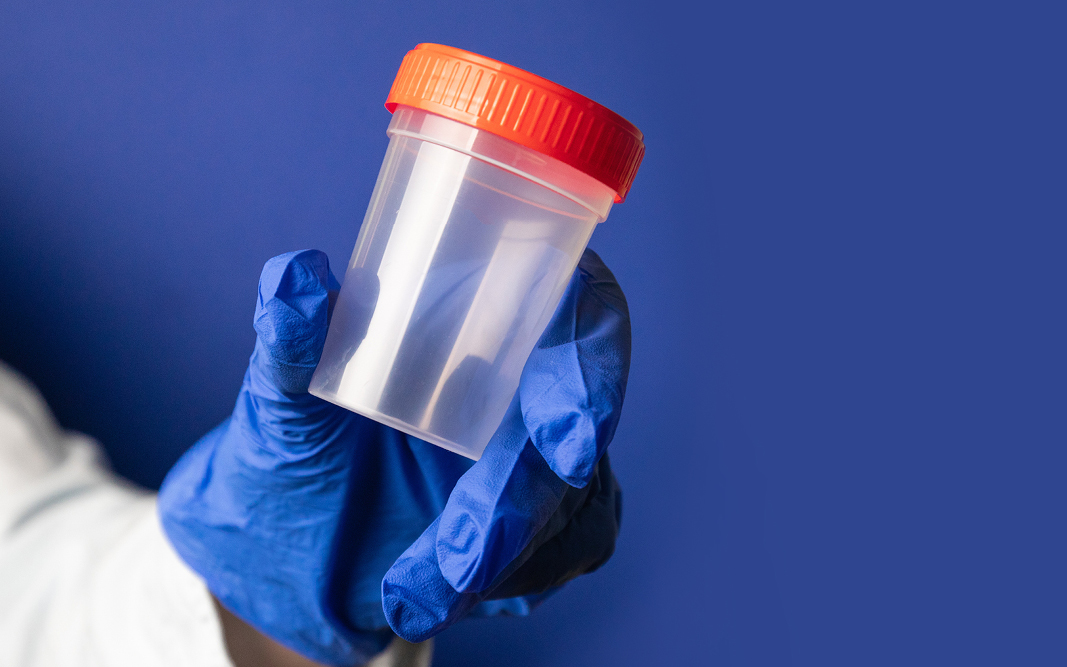
Understanding Specimen Types
When you order drug testing, you need to choose a specimen type. This is the object that will be used to see if there is drug residue on it. Some of the most common specimen types include:
- Urine Testing
- Hair Testing: This typically tests the hair follicle and has a longer detection window.
- Oral Fluid Drug Testing: This type of specimen has recently gained relevance, especially for DOT testing.
Key Factors When Choosing
When it is time to choose a drug testing option, you need to consider a few factors, such as:
- Industry and Regulatory Requirements: Certain industries, such as those regulated by the Department of Transportation, have specific testing requirements for panels and specimen types. These can be different than non-DOT testing.
- Detection Window Needed: Different specimen types offer different detection windows. For example, hair vs. urine vs. oral fluid can detect drugs in the body for varying periods. This relates to what drugs are tested for and how long they are detectable.
- Type of Employment/Role: Depending on your industry, the safety sensitivity in your workplace may influence the chosen panel and how often you test. It can also determine random testing versus other types.
- Substances of Concern: You might choose a panel based on the specific drugs that you think might be used in your industry, such as newer substances or prescription drugs. This can include the complexities of marijuana in the workplace.
- Accuracy and Reliability: You need to use a SAMHSA-certified lab. The reliability of the testing method and the lab are essential to getting usable results.
- Company Policy: In your drug-free workplace policy, you must clearly outline the chosen test, so employees know what to expect. Your policy should also share the reasons for testing and expectations.
- Logistics and Cost: The testing method needs to be one that fits into your budget and provides you with results in the time needed.
Putting It Together
You have two choices to make. You need to select a panel and a specimen type. For example, you might choose a 5-panel urine test or a 10-panel oral fluid test. When you choose one of the comprehensive services, they can help you navigate these choices and make the best possible decision.
ARCpoint Labs Has the Options You Need
For an effective workplace drug testing program, you need to select the right drug test panel and specimen type to get the results you can rely on. This choice should be guided by regulatory requirements, the specific needs of the workplace, desired detection windows, and clear policy. If you need it, you can find expert guidance in making your decision. Utilize available resources so that your informed decisions create a safer, more productive working environment. Contact us now.