


Have you ever experienced the discomfort of dry, itchy eyes that no amount of blinking seems to alleviate? Dry eye syndrome affects a significant segment of the population, and its implications for daily comfort and eye health cannot be ignored. By understanding the blood flow dynamics and systemic health factors that contribute to this widespread issue, you can take informed steps toward relief and better eye care.
Understanding Dry Eyes and Their Impact
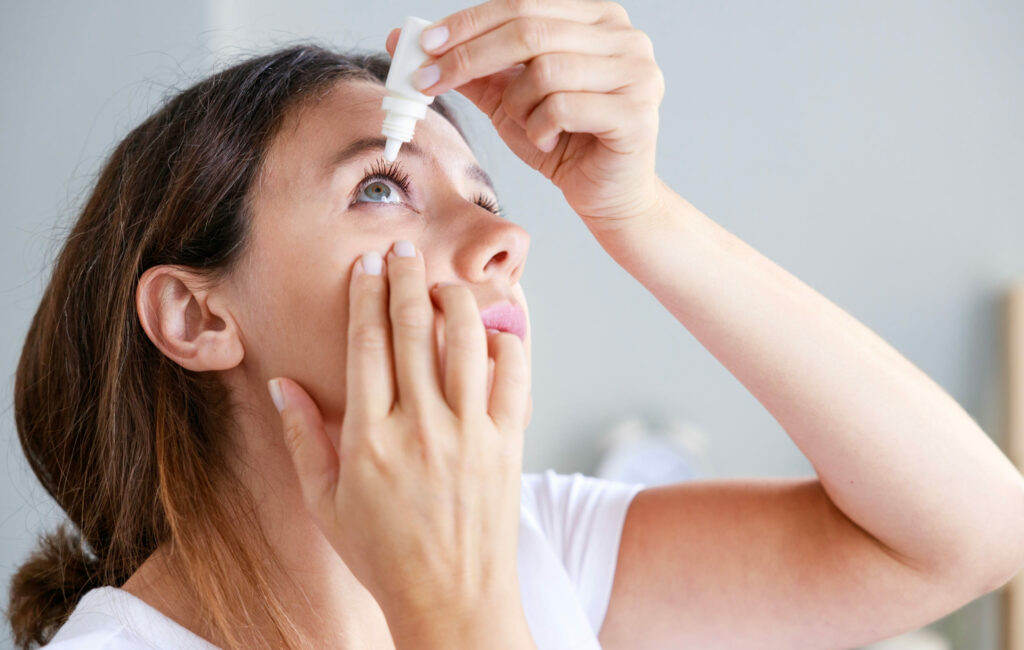
Dry eyes, a condition where tear production falls short, can significantly impact vision, leading to blurred sight and discomfort. This section explains the critical role tears play in ocular health, how a lack of adequate lubrication can affect visual clarity, and when to differentiate between occasional dryness and a more serious, chronic condition. In subsequent discussions, readers will gain insights into managing symptoms effectively through primary care methods, identifying associated problems such as glaucoma and stye, and the importance of regular eye examinations for optimal eye health.
The Importance of Tear Production
Effective tear production is essential for maintaining the health of the eye; it not only ensures optimal vision by keeping the surface of the eye properly moisturized but also defends against infections. A report from the Mayo Clinic links inadequate tear production to various complications, including damage to the optic nerve, which can arise without proper lubrication. While treatments for eye conditions often focus on addressing symptoms directly, understanding the underlying importance of tear production is crucial, especially for patients considering eye surgery or those dealing with persistent dry eye symptoms.
How Dry Eyes Affect Vision
When the eyes fail to produce sufficient tears, the result is more than just discomfort; one’s vision may become blurred as the cornea is inadequately lubricated. This can be particularly problematic for those using contact lenses, as the lenses rely on a tear film to function correctly. Notably, persistent dry eyes can lead to eye strain and damage to the surface of the eye, exacerbating conditions such as ptosis, where the eyelid droops over the pupil and impairs vision.
Differentiating Between Occasional and Chronic Dryness
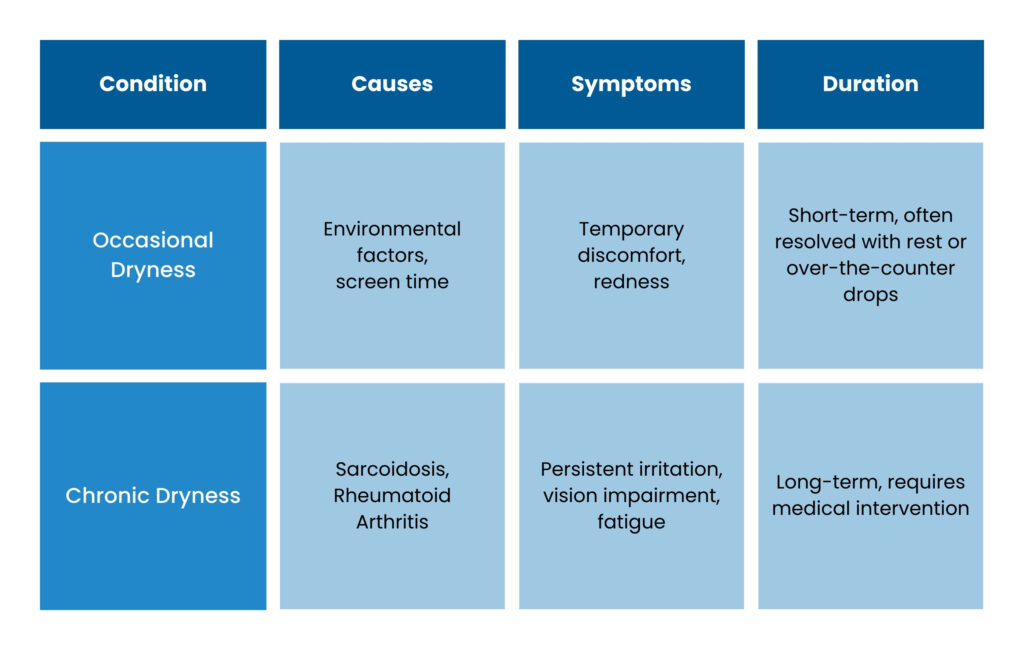
It is imperative to distinguish occasional dry eyes, often due to external factors like air quality or prolonged screen time, from chronic dry eye, a condition recognized by the American Optometric Association as requiring medical attention. Chronic dry eyes may signal underlying systemic issues like Sarcoidosis or Rheumatoid Arthritis, and can be a source of significant fatigue due to persistent irritation and vision impairment. Management of these symptoms is key, and it often involves addressing the oil layers within the tear film that are necessary for sustaining proper eye lubrication and comfort.
Recognizing Dry Eyes Symptoms
Identifying the common signs of dry eyes is the initial step toward treatment and relief. Instability in tear production, compromised drainage, and disruptions in the lipid layer of tears can all manifest as hallmark signs of this condition. These symptoms may be indicative of underlying issues, like amblyopia, necessitating professional health care. Moreover, dry eyes can significantly affect daily activities, from reading to driving. Following subsections will dive deeper into these matters, offering readers a thorough understanding of dry eye repercussions and management.
Common Signs to Look For
One should watch for a range of symptoms indicative of dry eyes, including a persistent sensation of itch around the cornea, frequent eyelash irritation, excessive blinking, and subtle but ongoing inflammation. When these signs are present, it suggests a potential disruption in the tear film that is vital for ocular comfort and protection. Addressing these issues promptly can prevent them from escalating into more severe discomfort or vision impairment, guiding individuals towards appropriate treatments that can offer relief and enhance daily visual experiences.
When Symptoms Indicate a More Serious Issue
When the common symptoms of dry eyes persist, such as discomfort or blurred vision, despite usual interventions, it may indicate a more grave concern. For instance, a deficiency in mucin, one of the layers constituting the tear film, can result in corneal atrophy. The symptoms could also be linked to systemic health issues, including elevated blood pressure, warranting a comprehensive examination. In such scenarios, the Food and Drug Administration (FDA) has approved advanced therapy options. Timely identification and intervention by healthcare professionals can prevent progression and preserve ocular health.
Effects on Daily Activities
Dry eyes can severely impede daily functioning, causing individuals to experience difficulty with tasks that demand visual precision. A systematic review by the National Eye Institute shows that symptoms of xerophthalmia, such as keratitis or persistent dryness of the cornea, can increase the risk of visual impairment during activities like reading, driving, or using digital devices. Moreover, for those with hypertension, the added strain on the eyes from reduced tear production may exacerbate their condition. Acknowledging these implications is pivotal in advocating for timely diagnosis and intervention that would allow those affected to maintain their quality of life.
Exploring the Causes of Dry Eyes
Dry eye syndrome manifests through various causes ranging from external to internal factors. This subsection examines environmental contributors like prevalent photophobia symptoms, medical conditions that include hormone replacement therapy and cataract, the impact of specific medications on tear production, and age-related changes in ocular physiology. It is crucial for understanding these diverse etiologies to offer patients targeted treatments in ophthalmology, improving their vision and overall comfort. Each upcoming topic reveals the intricate relationships between these causes and dry eye symptoms, guiding readers through preventive measures and management strategies.
Environmental Contributors
Environmental factors play a substantial role in the emergence of dry eye symptoms. Exposure to intense heat or wind can exacerbate the condition, while certain occupations requiring protective glasses may inadvertently restrict airflow around the eyes, leading to dryness. Additionally, the use of birth control has been linked to dry eye symptoms due to hormonal changes. For many suffering from ectropion, an outward turning of the eyelid, customized eyewear like the scleral lens offers a protective barrier, reducing exposure to environmental irritants and alleviating discomfort.
Medical Conditions Linked to Dry Eyes
Certain medical conditions are notably associated with dry eye syndrome, escalating the need for awareness and specialized care. Systemic diseases such as lupus can extensively affect ocular moisture balance, while uveitis, an inflammation of the middle layer of the eye, can disrupt normal tear secretion. Patients with increased eye pressure might experience altered tear film dynamics, furthering discomfort. Vitamin A deficiency is also recognized for its role in diminishing tear production, making dietary considerations an important aspect of managing the syndrome.
Medications That May Cause Dryness
Certain medications contribute to the development of dry eyes, exacerbating symptoms such as irritation and the feeling of wind-borne infections. For instance, antihistamines and decongestants, while alleviating allergy symptoms, can reduce tear production, leading to increased dryness. Similarly, drugs that target hypertension or depression have been noted for their side effect of diminishing tear secretion, affecting the retina’s health. Individuals who spend extensive screen time might experience aggravated symptoms due to medications, underscoring the need for a review of prescription impacts on eye health.
Age-Related Factors
As individuals age, the fluid dynamics of their eyes often shift, resulting in diminished tear production that can aggravate dry eye symptoms. Studies indexed on PubMed suggest that this decrease is due partly to natural changes in the lacrimal glands. Cyclosporine, an immunomodulating agent found effective in clinical trials, has emerged as a potential treatment for boosting tear production. Nevertheless, an accurate diagnosis is paramount, as it guides the selection of appropriate interventions to manage the discomfort associated with age-related dry eyes.
Preventing Dry Eyes in Everyday Life
In the quest to hinder the progression of dry eyes, a chronic condition often encountered in optometry, pivotal habits and measures stand as essential tools. This section offers guidance on maintaining moisture through daily habits, shielding the eyes from harsh environmental factors, managing screen time effectively to protect the conjunctiva, and bolstering eye health with nutritional support such as fish oil and flax.
Habits to Maintain Eye Moisture
To maintain eye moisture and prevent conditions such as conjunctivitis, experts suggest implementing daily habits that are conducive to ocular health. For instance, adding a warm compress to one’s routine can soothe the eye tissue and stimulate tear production, offering natural relief. Additionally, it is beneficial to review one’s insurance policy for coverage of preventive care options, which could support regular eye check-ups and treatment for dryness-related concerns such as color blindness. These simple practices can contribute significantly to sustained eye comfort and health:
Protective Measures Against Environmental Factors
To combat the evaporation of tears due to environmental factors, individuals with dry eyes or related conditions like thyroid disorders and astigmatism, should adopt protective measures. Use of sunglasses in bright light can guard against UV exposure and wind that may accelerate moisture loss. Additionally, those frequently under artificial lighting may benefit from anti-glare screens or filters, which a slit lamp examination can aid in selecting for optimal eye protection. By actively reducing exposure to harsh elements, one can lessen the likelihood of dry eye symptoms, maintaining ocular health and comfort.
Tips for Screen Time Management
In managing screen time, patients must prioritize regular breaks to prevent irritation and the exacerbation of eye conditions, such as macular degeneration. A patient’s medical history, including any diagnosis of dry eye syndrome, should influence their approach to screen use. Tailoring screen time based on individual prognosis not only minimizes discomfort but also safeguards long-term ocular health. Effective management can substantially reduce the risk of developing or worsening dry eye symptoms.
- Implement the 20-20-20 rule: every 20 minutes, look at something 20 feet away for at least 20 seconds.
- Adjust screen brightness and contrast to ease visual strain.
- Practice blinking exercises to keep the eyes lubricated during prolonged screen use.
Nutritional Support for Eye Health
Nutritional support is essential in fostering eye health and potentially preventing conditions like dry eyes, blepharitis, and minimizing the risk of scar tissue development from injury. Clinics often recommend diets rich in omega-3 fatty acids, found in fish and flaxseed, which can improve the ocular surface’s lipid layer. By integrating these nutrients, you may experience reduced symptoms of dry eyes and enhance their overall visual function.
The Role of Serum Tears in Managing and Preventing Dry Eyes
Serum tears, an innovative and effective solution in the management of dry eye symptoms, provide a unique form of relief and treatment for individuals suffering from this condition. Derived from the patient’s own blood, serum tears are rich in growth factors, vitamins, and nutrients, closely mimicking the natural composition of tears. This tailored therapy not only helps in alleviating the discomfort associated with dry eyes but also plays a crucial role in the prevention of the condition’s progression.
By enhancing the eye’s natural healing processes and improving the health of the ocular surface, this treatment decreases the likelihood of future flare-ups and complications associated with dry eyes. Individuals predisposed to dry eyes, owing to factors such as autoimmune disorders, extensive screen time, or adverse environmental conditions, may find serum tears particularly beneficial in maintaining ocular health.
Furthermore, the customized nature of serum tears, tailored to the specific needs of each patient, ensures a high compatibility and tolerance, minimizing the risk of adverse reactions. This personalized approach not only improves patient outcomes but also enhances compliance with treatment regimens, fostering a proactive stance towards preventing the exacerbation of dry eye symptoms.
Final Thoughts
Understanding dry eyes is crucial, as it enables you to distinguish between temporary discomfort and chronic conditions needing medical evaluation. Identifying symptoms and understanding their causes, from environmental influences to systemic health issues, is fundamental in selecting the right treatment options and reducing the condition’s effect on daily activities. The great news? ARCPoint Labs offers Serum Tears on hand to help you improve your ocular health. It should, however, also be highlighted that a combination of proactive care, including nutritional supplements and lifestyle modifications, is essential for maintaining eye health and preventing the exacerbation of dry eye symptoms. Through informed management and preventative tactics, achieving optimal ocular wellness is within reach.
Contact us today to learn more about how ARCpoint Labs can help!