


- A PEth test identifies a direct alcohol biomarker in a blood sample.
- It covers a longer testing window than urine or breath tests can.
- Results reflect laboratory findings and should not be viewed as a medical diagnosis.
If you need to complete alcohol testing, you may have heard the term PEth test. This method of detecting alcohol is becoming more common for legal cases, monitoring programs, and professional recruitments. Because it looks back further than standard methods, it’s becoming a common choice when a more complete picture of alcohol exposure is desired. Let’s look at what the test measures, how ARCpoint Labs of Omaha handles collection, and what you can expect from the results.
What Does a PEth Test Measure?
PEth is short for phosphatidylethanol, which is a compound that only forms in red blood cell membranes when alcohol is present. This compound is produced directly from ethanol exposure and stays in the body longer than alcohol itself, making it ideal for getting insights into drinking patterns over time, rather than just confirming the presence of alcohol at the time blood is drawn.
Now that you know what the test is, it’s important to understand what it isn’t. A PEth test cannot diagnose alcohol use disorder or any other medical condition. It merely returns laboratory information indicating alcohol consumption.
How Does PEth Alcohol Testing Work?
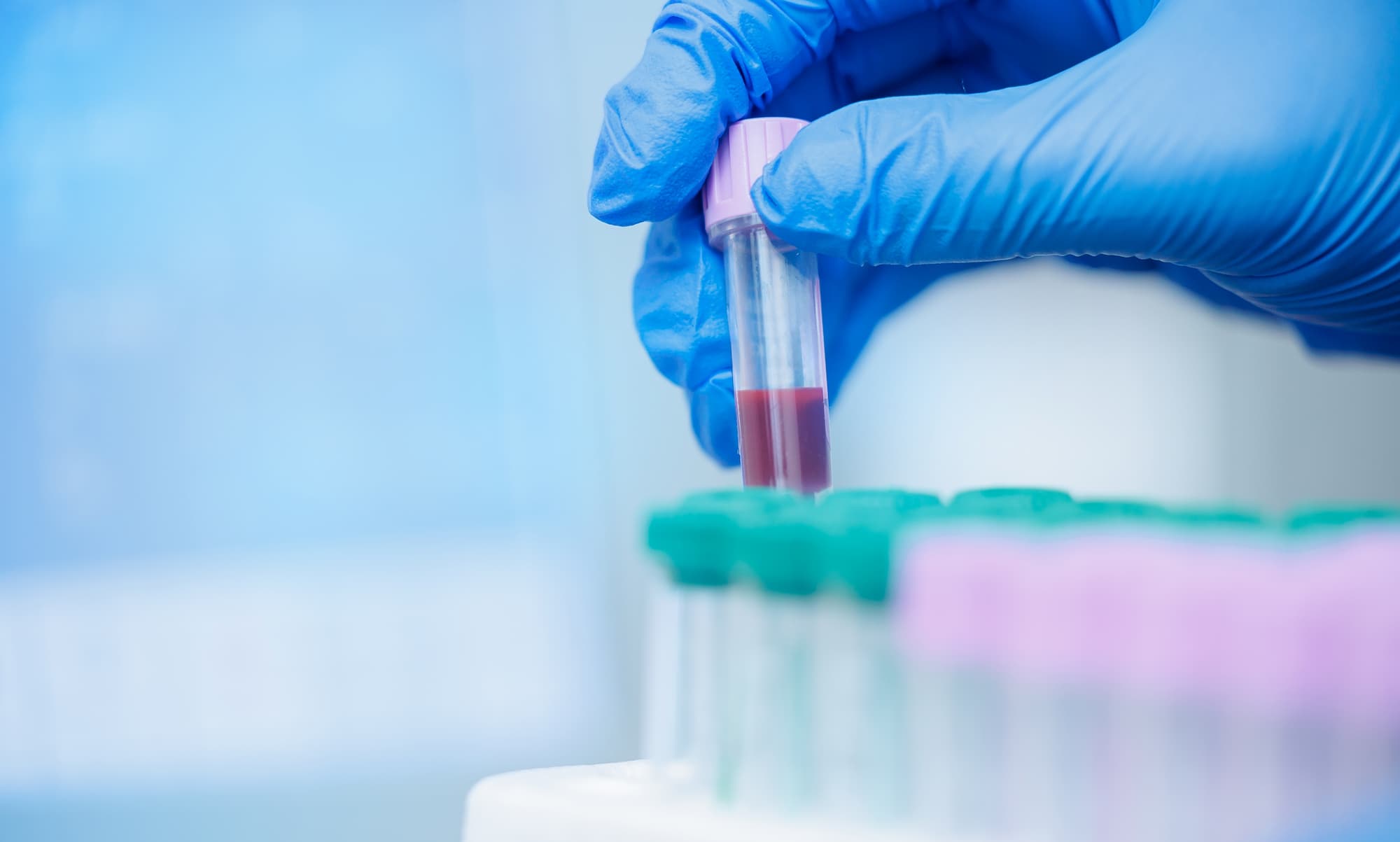
When a PEth test is requested at ARCpoint Labs of Omaha, a trained staff member will draw a blood sample in a professional, discreet setting. Once the blood is drawn, we send it to a laboratory, which performs the analysis and reports the result.
Because PEth works with blood markers that persist longer than alcohol, it sticks around in the blood for roughly two to four weeks. This is a significant improvement over the few days of coverage provided by urine testing and an even shorter period for breath testing.
How Long Can a PEth Test Detect Alcohol?
Although two to four weeks is the standard answer, this range isn’t fixed. The actual detection period depends on how much someone drinks, their individual biology, and the lab method used. The test also only detects that alcohol was consumed; it cannot provide any indication about when it was consumed or the exact amount that was consumed.
What Do PEth Test Results Mean?
PEth test results show a measured concentration of PEth in the blood, rather than a simple yes-or-no answer. Results below a certain level are considered negative, meaning the person most likely did not consume alcohol. Higher concentrations correspond with more frequent alcohol consumption but do not indicate exact amounts.
Because the result is a range, a single result rarely tells the whole story. Often, different programs will have different thresholds. Legal, workplace, treatment facilities, and medical concerns all have different stakes, so some are naturally stricter than others.
When Is a PEth Blood Test Used?
PEth testing is common in a number of situations, including:
- Court, probation, or custody-related documentation
- Treatment, recovery, or abstinence monitoring
- Medical or transplant program requirements
- Professional licensing or workplace policies, where applicable
- Personal accountability or documentation
Because requirements vary from one purpose to the next, confirm the specifics with whoever is requesting the test. Asking about the detection window they’ll be looking for, the format, and the deadlines will help you understand the test and its ramifications.
Schedule a PEth Test in Omaha
At ARCpoint Labs of Omaha, you can expect a confidential, professional specimen collection process for every test you request, including PEth testing. To schedule your test, contact us today. While you’re scheduling your appointment, feel free to ask any questions you may have about what to expect.
Image Credit: Parilov/Shutterstock