


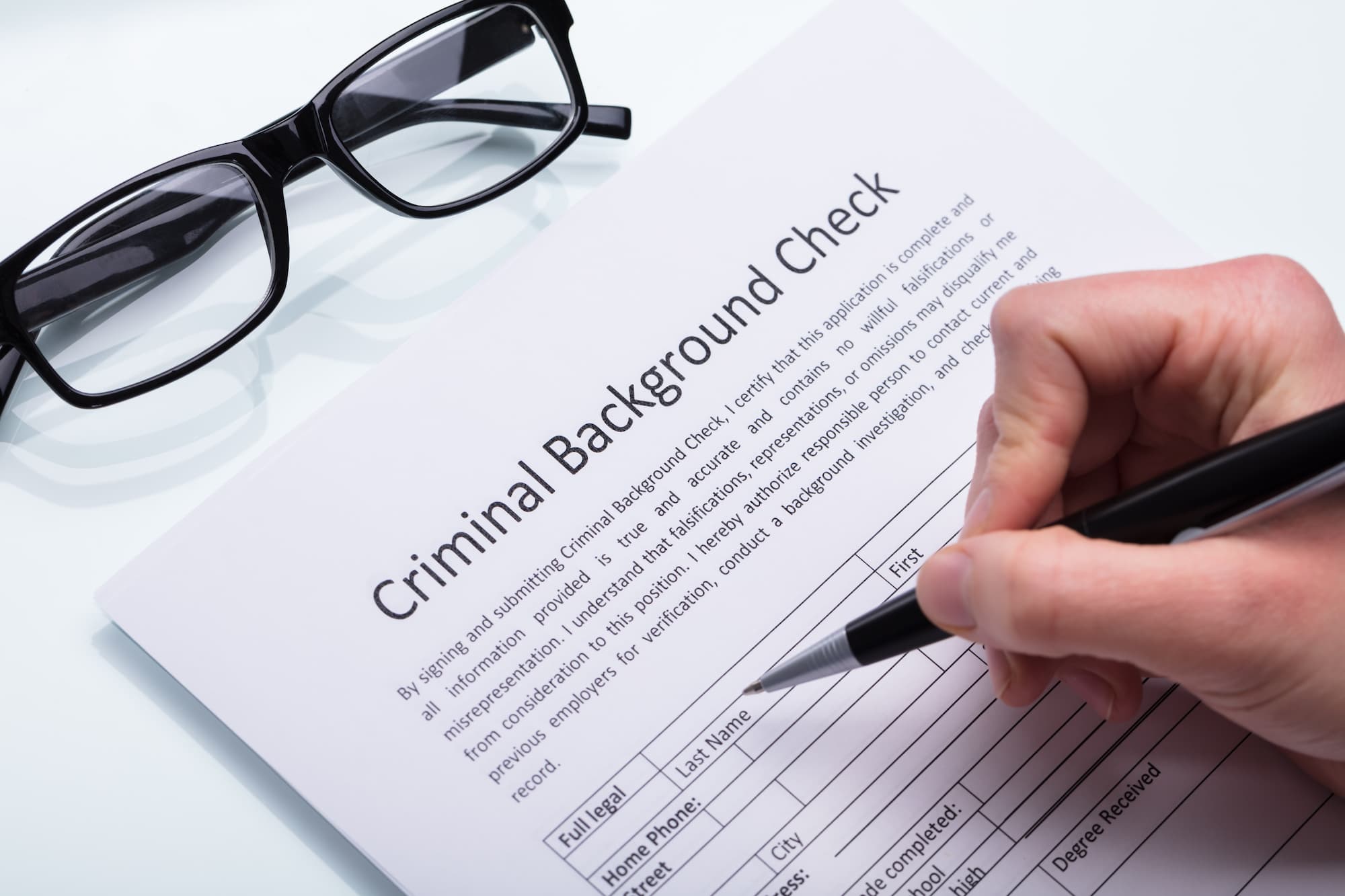
What shows up on a background check gives companies a clearer picture of who they are hiring, helping ensure safer workplaces and more reliable teams. But what do background checks actually show? They often include criminal records, employment history, education verification, and drug testing. Understanding what a background check consists of also means recognizing the differences between national, state, and county criminal checks and reviewing previous addresses for accuracy and completeness. With these many components to consider, ARCpoint Labs of Omaha provides thorough, dependable screening services that make the hiring process more informed and reliable.
Why Employers Use Background Checks in the Hiring Process
Background checks help employers better view a candidate’s history and make sound hiring decisions. They cover criminal records, employment history, education verification, drug testing, and may include checks across national, state, and county levels, as well as previous addresses tied to specific records. With this information, companies can reduce hiring risks, promote workplace safety, and ensure new hires meet organizational standards.
Components of a Background Check
Background checks contain several elements that help employers thoroughly evaluate a candidate’s history. Each part contributes to understanding an applicant’s suitability for a job.
Criminal Records
Criminal record reviews reveal convictions, arrests, or pending cases that may influence hiring decisions. National checks cover a broad range of databases, while state and county checks provide more localized detail. Reviewing a candidate’s previous addresses helps prevent gaps. Together, these methods create a fuller picture of an applicant’s background.
Employment History
Employment history verification plays a significant role in background checks, confirming details such as job titles, length of employment, and primary responsibilities. This process helps employers validate whether candidates have the experience needed for the role and prevents issues tied to exaggerated or inaccurate claims. It is beneficial for positions that require specific skills, certifications, or a proven record of achievement. By verifying past employment with accuracy, companies strengthen their hiring decisions and ensure candidates bring the qualifications they represent.
Education Verification
Education verification confirms whether a candidate’s academic background matches their present qualifications. This process typically involves validating degrees earned, institutions attended, fields of study, and dates of attendance. Confirming these details for roles that demand specialized training, certifications, or advanced knowledge ensures applicants are adequately prepared to meet the position’s requirements. By screening for falsified or exaggerated credentials, employers can uphold hiring standards and build a workforce with the expertise needed to succeed.
Drug Testing
Including drug testing in background checks helps maintain a safe and productive workplace. Employers typically screen for substances like marijuana, cocaine, opiates, and amphetamines. Results can influence hiring decisions based on company policies and industry standards, supporting a drug-free environment and enhancing safety.
Additional Considerations
Conducting background checks requires strict adherence to legal regulations protecting employers and applicants. Under the Fair Credit Reporting Act (FCRA), employers must secure written consent and provide candidates with clear information about their rights before starting the process. If a report raises concerns, applicants must be allowed to review the findings and dispute any inaccuracies. Respecting consent, privacy, and transparency ensures compliance and builds trust throughout the hiring process.
FAQ: Common Questions About Background Checks
To clarify background checks, here are some frequently asked questions:
What does a background check consist of?
It typically includes criminal records, employment history, education verification, drug testing, and reviewing previous addresses for thoroughness.
What shows up on a background check?
Depending on its components, the check can reveal past convictions, employment and education history, and drug test results.
Trusted Background Screening for Omaha Employers
Comprehensive background checks give employers the clarity they need to make sound hiring decisions. Reviewing criminal records, employment history, education, and drug testing while accounting for differences between national, state, and county checks and including previous addresses creates a thorough picture of a candidate’s background. This approach reduces hiring risks, supports workplace safety, and ensures new team members meet organizational standards. ARCpoint Labs of Omaha delivers reliable screening services tailored to these needs. Contact us to learn more about the background check process.
Featured Image Credit: Andrey_Popov/Shutterstock